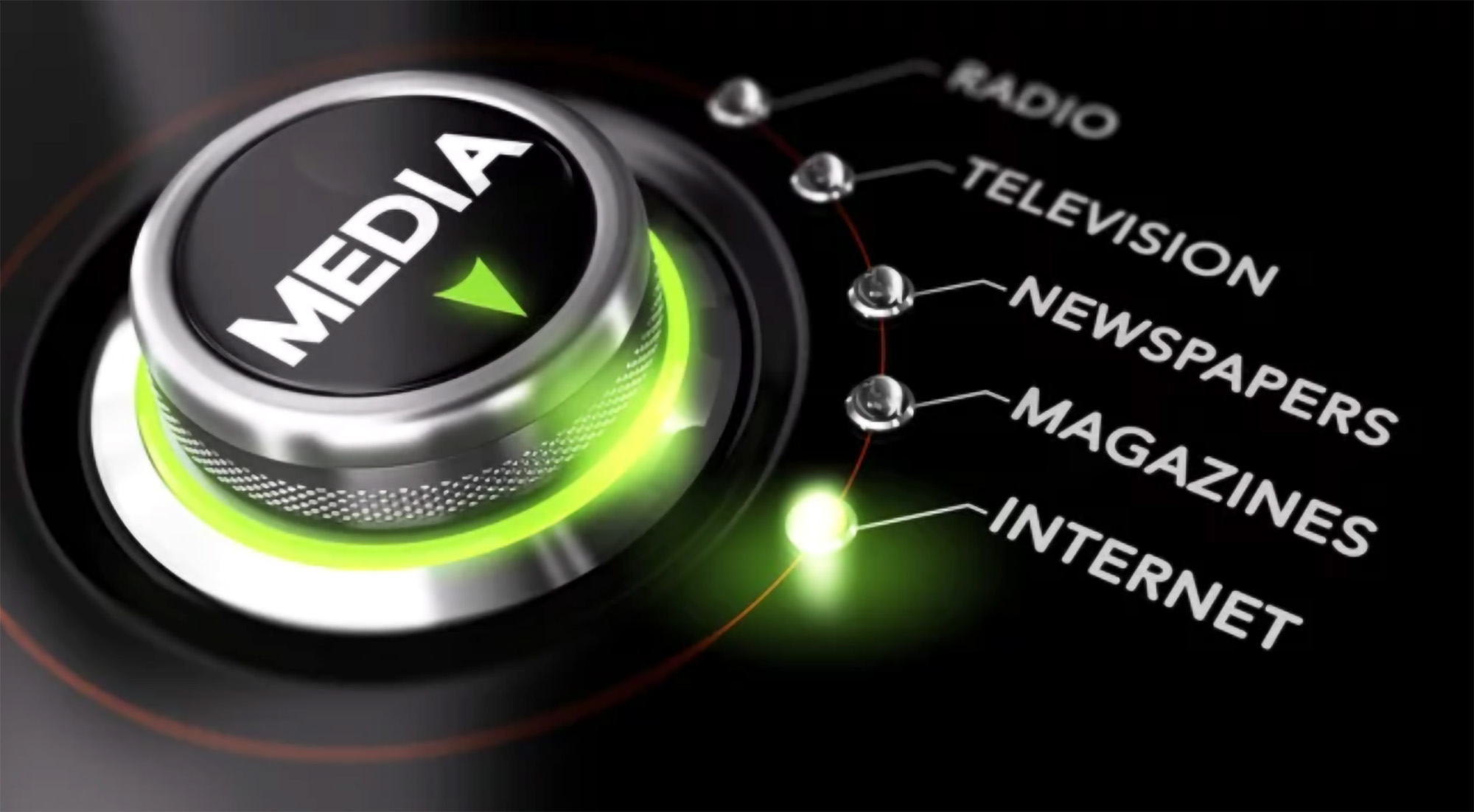
Do you remember a time when digital platforms were not used to promote a product?
It’s hard because digital marketing has been around since the 1990s. Nowadays, almost all marketing involves digital platforms. This is the reason I prefer to use the term “marketing” rather than “digital marketing.”
Marketers have made the switch because the audience has moved online. Digital marketing also has several qualities that traditional does not:
- It levels the playing field. Digital allows small businesses and startups to compete against established brands with huge budgets.
- Personalization. Today’s audiences demand personalized experiences with brands—everything from newsletters with personalized greetings, to (sometimes shockingly) relevant ads that appear in news feeds. The goal is to speak directly to them. This level of personalization wasn’t possible with traditional channels.
- Interaction. An online consumer can interact with a messenger bot on Facebook, comment on a Twitter feed, send direct feedback through a company’s website, and interact with other customers on forums. This allows brands to engage with customers and build trust.
- Cost-efficient. Previously, marketers had to place static orders with magazines and newspapers, reserve television spots, or book billboards that could be costly despite low performance. Digital marketing has a much lower barrier to entry cost-wise. Digital marketers can also easily stop campaigns if they aren’t performing well and reallocate the money.
- Targeted. Due to the wealth of data that companies like Facebook and Google harvest, robust consumer profiles are available. Everything from someone’s zip code to their interest in mountain-climbing gear can be targeted.
- Data. Every online campaign collects data that’s used to learn more about an audience or reach them at another point in their digital journey.
- Real-Time. Digital campaigns can be monitored and optimized in real time. Unlike traditional (which typically begins with a placement order, like a magazine ad that’s fixed once released into the world), an online campaign can be turned off or changed on the fly. Digital marketers have more control.
- Low-cost brand development. Digital channels can be free or set up at a nominal cost. The big social networks (Twitter, Facebook, Instagram, etc.) are free to join. You can host a website for less than $10 a month. This means you can develop and transmit a brand’s voice across multiple channels in a cost-efficient manner and reach a large audience with relative ease.
- Viral potentiality. The nature of digital, especially on social networks, is that it is easily shareable. You can share a meme or video, which has the potential to go viral with enough traction.
Traditional channels still play a role, but they usually have a digital component. Out of home, television, and radio can have digital components which allow them to be measured. I’ve personally integrated streaming radio, OTT, and digital OOH into my campaigns because of this.
Digital channels
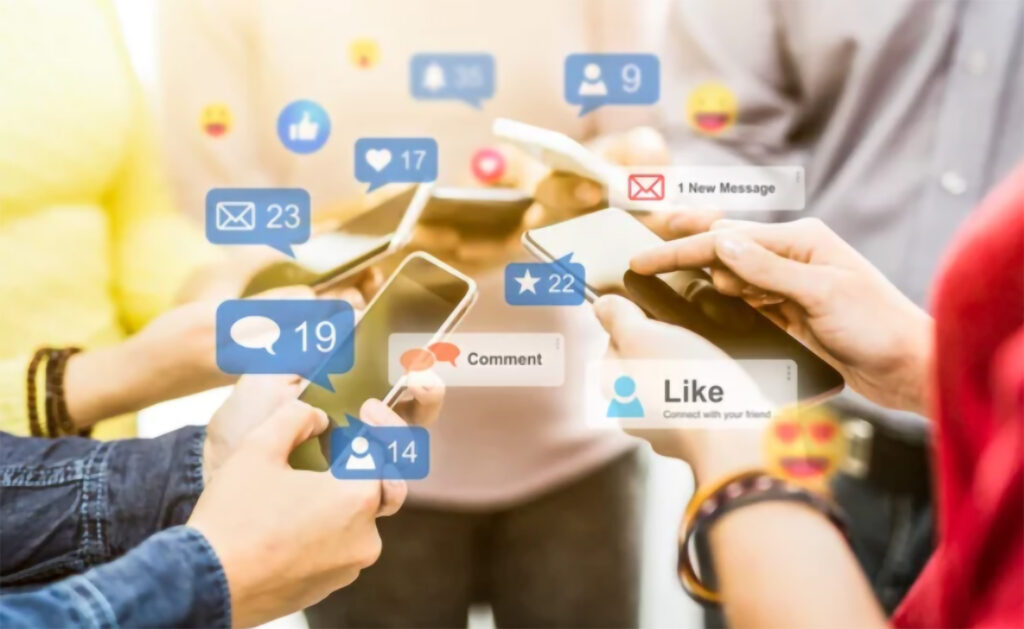
We can define digital marketing as carrying out any form of marketing activity over digital channels. Each digital channel has specific audience functions. Some may be used for increasing brand awareness, others may be used for product consideration (the period after the customer becomes aware of the product and starts researching and comparing). Other channels may be more useful for driving a purchase—some even overlap in functionality and can be used for a variety of purposes.
Main digital channel categories:
- Social media
- Websites
- Search
- Display
Social media is a major player in today’s digital marketing channel mix, not only because of its vast audience but because it allows companies to create personal connections.
Primary Benefits:
- Audience reach
- Cost-effectiveness
- Engagement
Websites serve as a hub for a business. As a business owner, marketer, etc., you own this dedicated platform and can showcase content about your services, products, and company culture. It is the ideal channel for content marketing because you can easily distribute different types of media, from video to images to infographics.
Primary Benefits:
- Increased visibility
- Lead generation and conversions
- E-commerce
Email has been around for decades, but it is still a key component of most digital marketing campaigns. Fifty-nine percent of marketers say email provides the most ROI.
Primary benefits:
- Lead nurturing and conversion
- Retention
Search: organic and paid. Organic search refers to search-engine-optimized (SEO) results, while paid search refers to ads. These are typically labeled with an “ad” tag and appear above organic results.
Both are ideal channels for gaining customers who are actively searching for products or services.
Organic search benefits:
- Ranking
- Free (except for the time spent optimizing)
Paid search benefits:
- Top results
- Awareness
- Lead generation and conversion
- Targeted
Display ads come in many shapes and sizes and can employ images and video. They are distributed across websites, social media feeds, mobile apps, emails, and many other digital channels.
Primary benefits:
- Broad reach and awareness
- Leads and conversions
Considerations
Before embarking on a marketing campaign, these are there key considerations you should have when choosing digital channels:
- Align to goals
- Align to audience
- Watch competitors
- Prioritize budget
- Stay consistent with branding
- Provide a seamless experience
If you need help finding the right marketing mix for your company, feel free to contact me.